
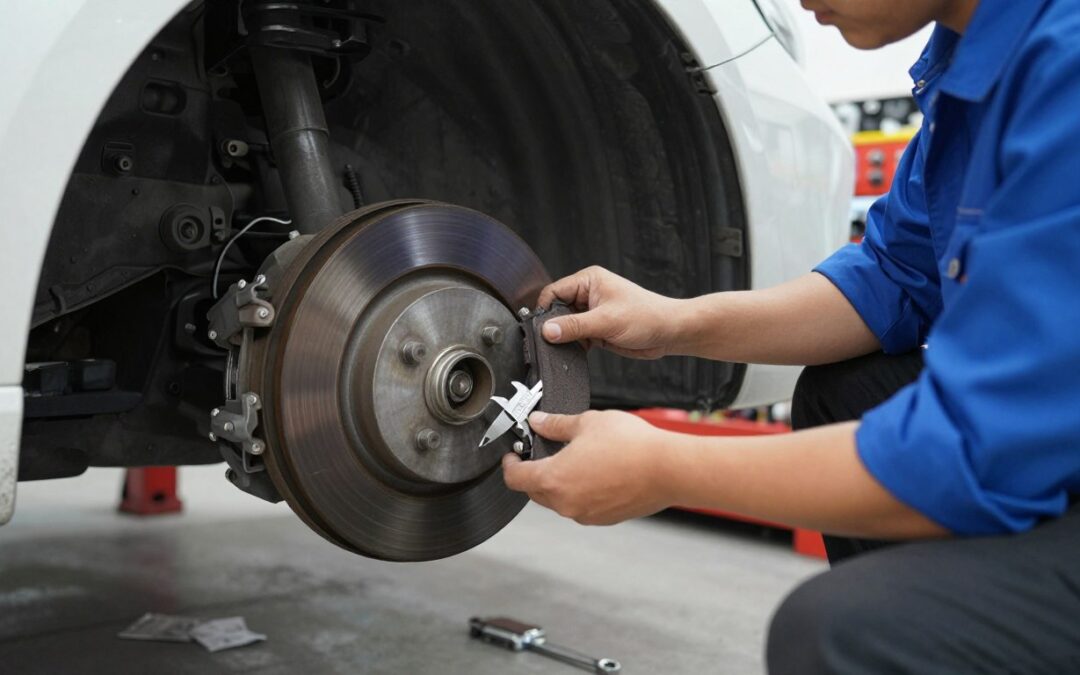
How much trust do you place in that familiar push of the pedal? Your car’s stopping power is a complex dance of components, all working silently until they don’t.
That reliable braking system wears down with every mile. Ignoring its subtle cries for help can turn a routine drive into a risky situation.
Knowing what to listen and feel for is your first line of defense. This isn’t about fear, but about smart, proactive care for your vehicle and everyone inside it.
When your brake pads are wearing thin or other components are failing, your car will tell you. It’s crucial to understand these warnings before they become emergencies.
For peace of mind and safety, a professional inspection is key. The experts at Auto Express in Raytown are ready to assist at (816) 503-6153.
Key Takeaways
- Your vehicle’s brake system is critical for safety and requires regular attention.
- Worn components, like brake pads, give off clear warning signals before failing completely.
- Addressing issues early prevents more costly repairs and dangerous driving situations.
- Never ignore unusual sounds, feelings, or behaviors when you apply the brakes.
- Professional mechanics have the tools and expertise to accurately diagnose braking problems.
- Regular check-ups can extend the life of your entire braking system.
- Knowing when to seek help, like from Auto Express in Raytown, keeps you in control.
Understanding Your Vehicle’s Braking System
Modern stopping power relies on two main designs working through friction. Most cars use disc brakes on the front wheels. Others may have drum brakes on the rear.
With disc brakes, a caliper acts like a clamp. It squeezes brake pads against a spinning metal rotor. This contact creates the friction that slows your vehicle down.
Drum brakes work a bit differently. Inside the wheel, curved shoes press outward against the inner surface of a drum. This also creates the necessary friction to stop your car.
When you push the pedal, hydraulic pressure moves through the system. This pressure activates the calipers or wheel cylinders. It’s a quick and powerful transfer of force.
A warning light on your dashboard is a direct signal. It often points to fluid levels or other components. Don’t ignore it—a professional inspection can pinpoint the issue.
Odd noises or a spongy pedal feel are clues. They often mean parts like pads or rotors are wearing unevenly. Knowing how the system works helps you understand these warnings.
Identifying 5 signs your brakes need replacement
Several unmistakable warnings emerge when parts of your braking system approach the end of their service life. A high-pitched squeal often comes from built-in wear indicators. These small metal tabs on the brake pads scrape against the rotor to create that distinctive noise.
If that squeal turns into a harsh grinding sound, it’s a serious sign. This usually means the pads are gone, and metal is contacting the discs directly. This metal-on-metal contact can damage the rotors quickly.
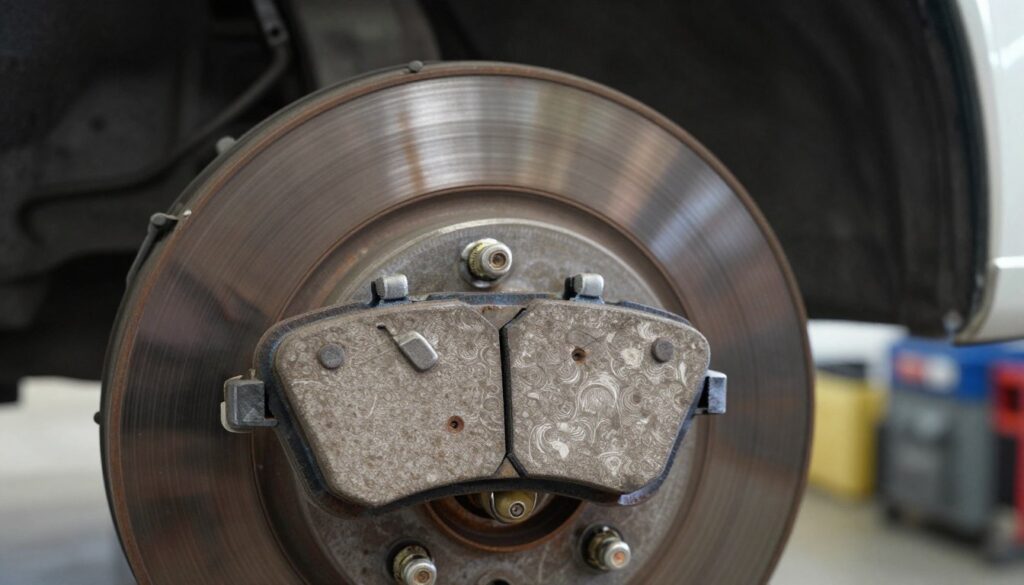
Feel a shudder or vibration through the brake pedal when stopping? This often points to warped or uneven rotors. This issue can make driving at higher speeds feel less stable.
Notice your car pulling to one side during braking? This could mean a caliper is stuck or pads on one wheel are more worn. Uneven pressure in the system causes this pulling sensation.
Never ignore a dashboard warning light. This indicator serves the important purpose of alerting you to potential system issues. Addressing these alerts promptly is key vehicle maintenance for long-term safety.
Practical Tips for Brake Maintenance and Safety
The longevity of your braking system isn’t just about parts; it’s shaped by daily driving choices and timely checks. For instance, brake pads in city driving often last between 30,000 and 35,000 miles. Reaching this mileage is a good time for a professional evaluation.
Your habits behind the wheel make a big difference. Avoid resting your foot on the brake pedal in traffic. This “riding” action creates constant friction and heat, wearing pads down faster.
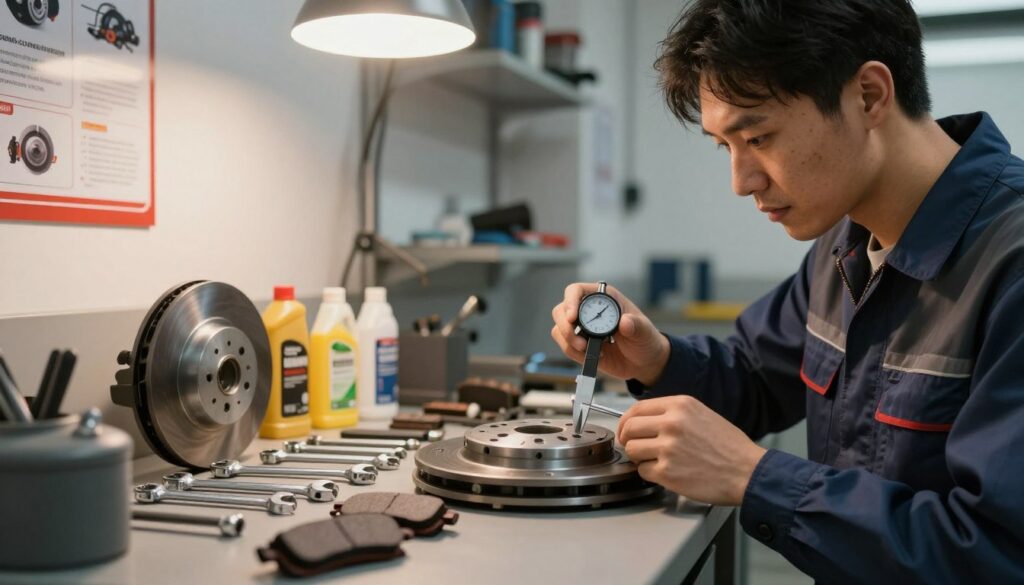
Anticipate stops ahead to avoid sudden, harsh braking. This smoother technique reduces pressure on the entire vehicle brake system. It’s a simple yet powerful way to care for your car.
Schedule a professional inspection roughly every 30,000 miles. A mechanic will check all parts, including rotors and the caliper. This prevents small issues from becoming expensive repairs.
Never ignore a warning light or unusual noise. Addressing these alerts quickly stops metal-on-metal contact that ruins discs. Finally, check your brake fluid level monthly. This fluid is crucial for creating the hydraulic pressure that stops your wheels.
Conclusion
Ensuring reliable deceleration means listening to your vehicle and acting on its cues. Taking time to monitor brake pads and rotors is essential for safety on the road.
If a warning light glows or you hear grinding, get a professional brake inspection. This quick step prevents metal-on-metal contact that ruins discs.
Consistent maintenance of your brake pedal and pads guarantees your car stops reliably. Remember, the friction material on each pad wears down.
Proactive care is the best way to avoid costly repairs. It keeps your entire braking system healthy for the long haul.
By staying informed, you gain peace of mind. You’ll know your brakes are ready for every journey.